The History of the Mug: How an Everyday Object Became a Beloved Customizable Item
The complete history of the mug, from the dawn of humanity, and how an everyday object became such a beloved customizable item.

Mugs are everywhere. On the kitchen shelf, on the office desk, by the water fountain at school, as a last-minute gift, and even that promotional mug no one remembers which family member won, but it’s still sitting proudly in the cupboard.
They’re part of our daily lives in a way that’s almost invisible, yet they carry a symbolic weight few objects can match. Maybe it’s their cozy shape, the way they warm your hands in winter, or simply the fact that they’re always there during the little breaks throughout the day.
Whatever the reason, a mug stopped being just a household item decades ago and became an object with a personality of its own. More than that, it became a form of self-expression, a way to show affection, and even a business strategy.
Today, you can find all kinds of mugs, with funny sayings, pet photos, company logos, memes, and even works of art. This variety didn’t happen by chance.
In this article, we’ll explore how such a simple object became a personalized item with deep emotional value. Ready for the journey? The history of the mug is richer than it seems.
From its origins to the breakfast table
Long before mugs featured funny sayings, they were already part of everyday life in different civilizations. The history of the mug is almost as old as the habit of drinking itself.
The first mugs (10,000 BC)
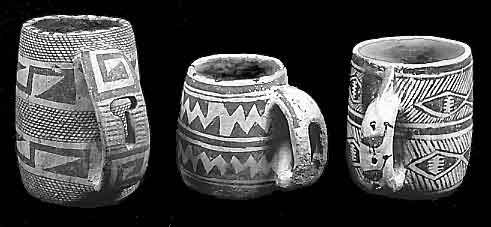 Archaeological records show that mug-like vessels were in use thousands of years ago, in the Stone Age, when people began using wood and animal bones to make basic utensils.
The “less primitive” versions were made of ceramic (6,500 BC), using clay shaped by hand and fired in kilns. Their purpose was simple: to hold liquids for drinking. The invention of the potter’s wheel (around 3,500 BC) made them easier to produce. But they still had one drawback: the mugs were thick and clumsy, which made them difficult to use and uncomfortable to drink from.
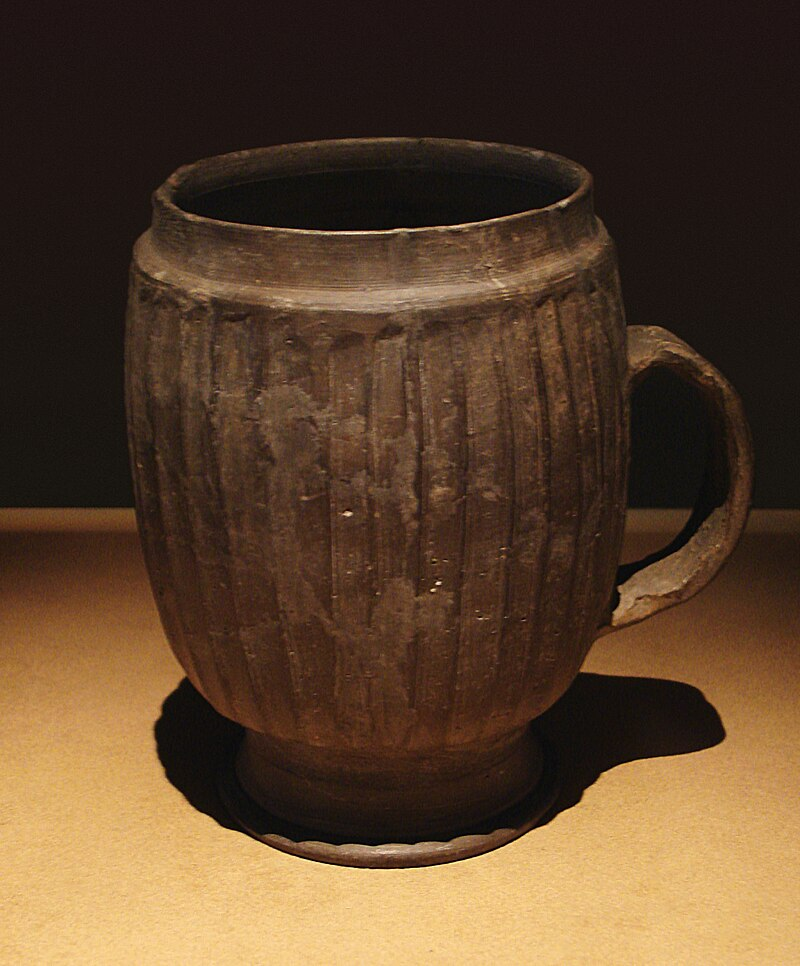
In Mesopotamia, Egypt, and other ancient civilizations (3,000 BC), mugs evolved in both shape and material. Glazed and decorated ceramics began to appear, often featuring religious symbols or nature-inspired designs. Metalworking techniques using bronze, silver, gold, and even lead made mugs increasingly thin and more suitable for drinking.
Mugs became common tableware at banquets, parties, and ceremonies.
The Middle Ages
Over time, other materials came into use. In the East, especially in China and Japan, vessels evolved alongside advances in ceramics and porcelain (invented around 600 AD). Often handleless but impeccably designed, they ushered in an era of mugs with very thin walls, suitable for both hot and cold liquids.
During the Middle Ages, the history of the mug took a new turn. Mugs began to take on features closer to the ones we know today.
Metal mugs were common among the nobility, while clay remained the material of choice for the lower classes. Over time, handles became standard, offering greater comfort and functionality.
The Industrial Revolution (19th century)
Even before the Industrial Revolution, the first steps toward mass production began with European manufacturing workshops. English porcelain mugs, such as those made in Staffordshire, became popular and already featured printed decorative designs.
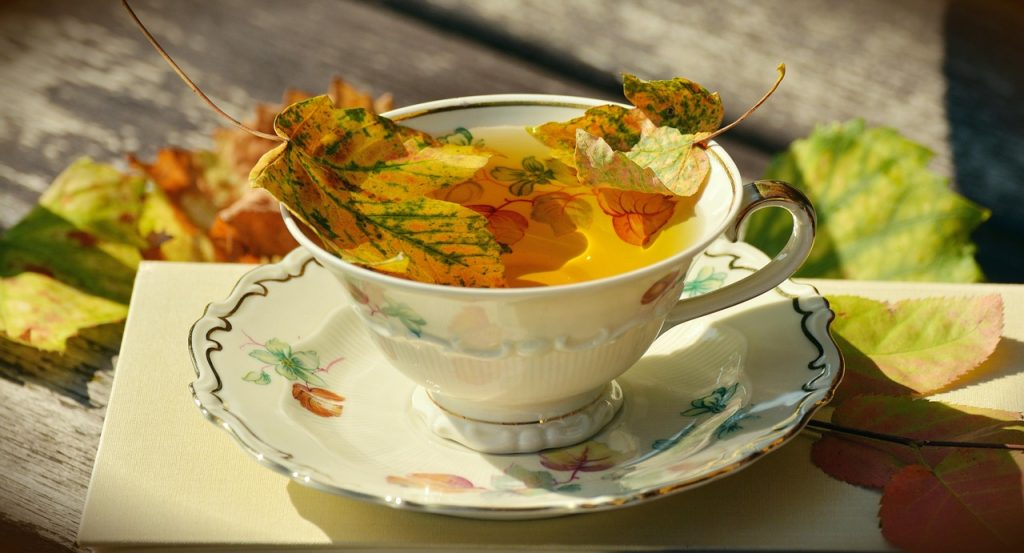
The biggest leap, however, came with the Industrial Revolution. Mass production made it possible to manufacture porcelain, glass, and later plastic mugs quickly.
The mug went from being a handcrafted item to a fixture in nearly every home, office, and business.
It became accessible to everyone. Where each piece once had to be carved or shaped by hand, hundreds could now be made in a single day.
This not only lowered costs but also opened the door to new design possibilities, prints, and shapes. It was in this context that the mug began to move beyond its purely functional role and become a blank canvas ready for a personal touch.
Modern times (21st century)
Starting in the 20th century, especially after World War II, the mug took on a new status. With the growth of graphic design and printing techniques, it became a blank canvas.
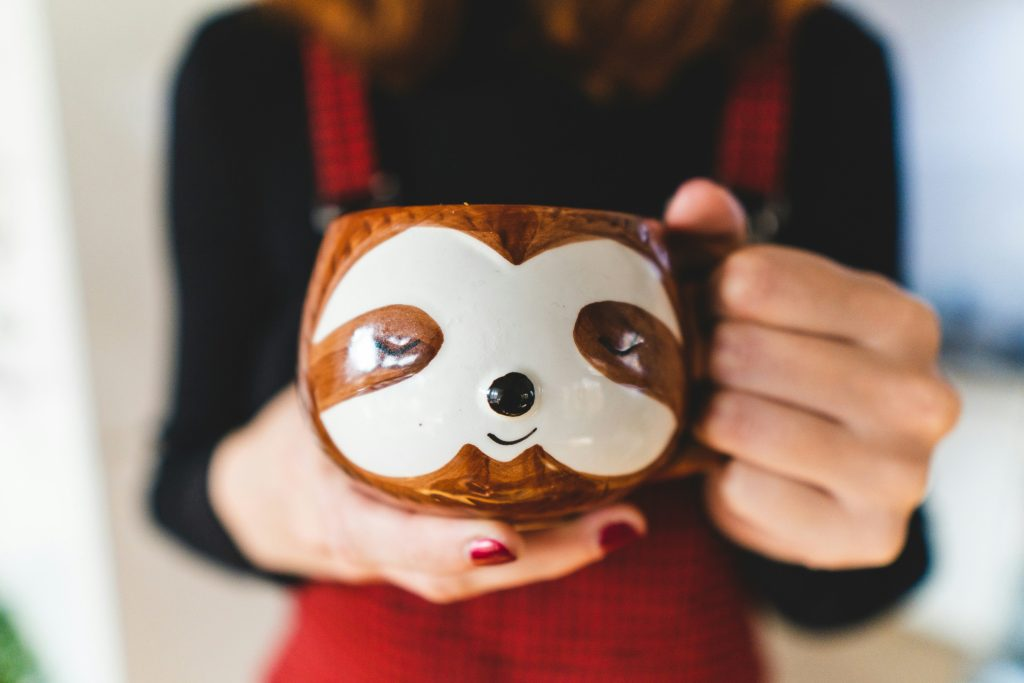
Today, mugs are everywhere. Whether at breakfast, in work meetings, or as decorative pieces, they reflect people’s tastes, lifestyles, and even values.
From their beginnings in the Stone Age to insulated models with silicone lids, these objects reveal how society has evolved and how closely utility and identity are connected.
And so, from the hands of ancient artisans to 21st-century assembly lines, the history of the mug has taken shape, both literally and symbolically, according to people’s tastes and needs.
The Mug as a Cultural Symbol
As simple as it may seem, the mug has become a lasting part of our culture. Over time, it stopped being just a container for coffee (or tea) and came to represent moods, personal preferences, and even ideologies.
In pop culture, for example, the mug has become an icon. Who doesn’t remember Michael Scott’s mug on “The Office”? Or the “Central Perk” mugs, from the friends’ favorite hangout on “Friends”?

These objects are much more than props in a scene. They’re extensions of the characters, showing their habits, quirks, and even emotions. It’s no surprise they’ve become collectibles among fans.
But the emotional connection people have with their mugs goes beyond the screen.
Almost everyone has “that one mug” they love at home or at work. Sometimes it was a gift from someone special. Sometimes they bought it on an unforgettable trip.
It might have a cheesy saying, a picture of a pet, or a superhero on it. That doesn’t matter. It has value, and we’re not just talking about the price.
The mug’s transformation into a cultural symbol happened organically. It wasn’t the result of a major advertising campaign or a forced trend. It was a natural result of everyday objects taking on meaning.
And it was precisely this symbolic power that paved the way for the next step in the mug’s journey: customization.
The Customization Revolution
Customization isn’t just a trend. It’s a direct response to people’s desire to express themselves in a unique way, and few objects have embraced this movement as well as the mug.
The Era of the One-of-a-Kind Mug
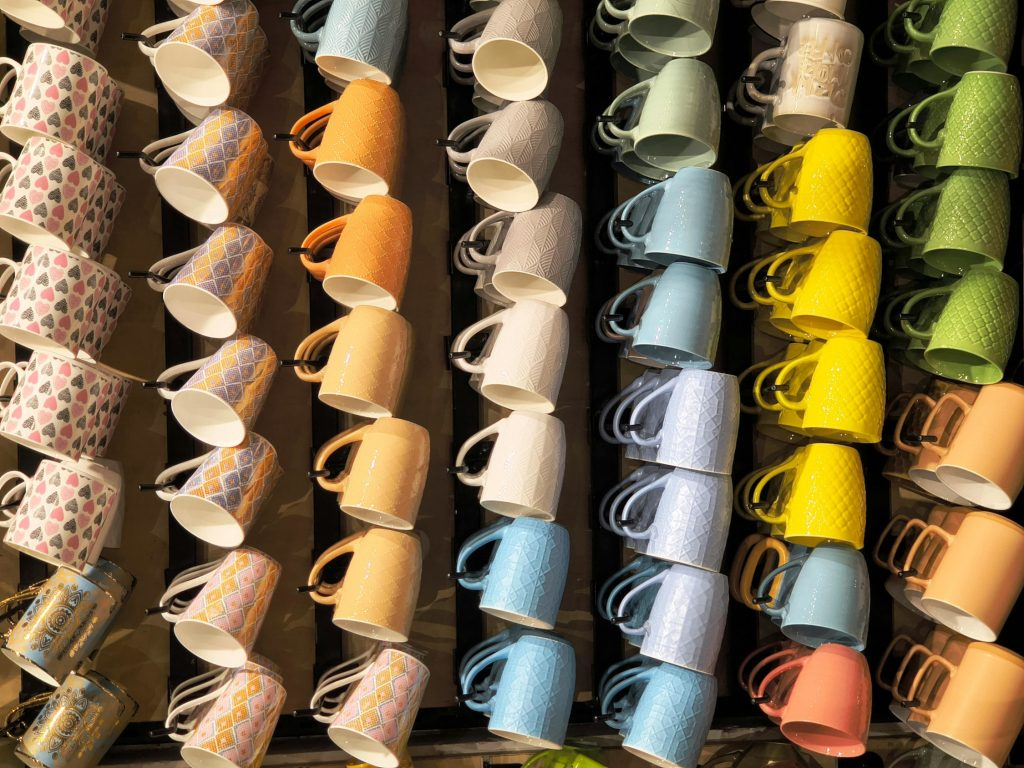
What was once standardized is now customizable. With advances in printing technology, anyone can create a mug featuring their own artwork, favorite saying, pet photo, or the latest meme.
This has completely changed how mugs are designed, sold, and used.
Today, mugs can be customized for birthdays, weddings, travel souvenirs, colleague send-offs, corporate events, marketing campaigns, political campaigns, or simply to make someone smile over breakfast.
Technology in Service of Creativity
Three main techniques made this creative boom possible:
-
Sublimation printing: the most popular technique in the custom products market. It uses heat to transfer an image onto a mug, creating durable prints.
-
Screen printing: a more traditional technique, ideal for large runs and simple designs like logos and text.
-
UV printing: a more modern technique that prints directly onto the surface of the mug, with high resolution and the ability to create textures.
The mug has reinvented itself once again, adapting to people’s desire for individuality. These technologies have lowered costs, making customization more accessible.
Today, even small business owners can produce high-quality custom mugs in small quantities.
A New Market Emerges
The ability to create unique products at an affordable cost has given mugs an important place in many industries. Online stores, print shops, and influencers have found that mugs are a practical way to add value to their businesses.
Customization has also made room for niche products: mugs for geek culture fans, motivational mugs, therapy quotes, inside jokes. The sky (or your imagination) is the limit.
Mockups: The Bridge Between an Idea and the Product
In the world of customization, a great idea is just the beginning. The real challenge is turning that idea into something visually appealing. That’s where mockups come in as indispensable tools.
What Is a Mockup?
A mockup is a visual representation of a finished product. For mugs, it’s a realistic preview of how the artwork will look when applied to the product. It lets you see what the item will look like before it even exists.
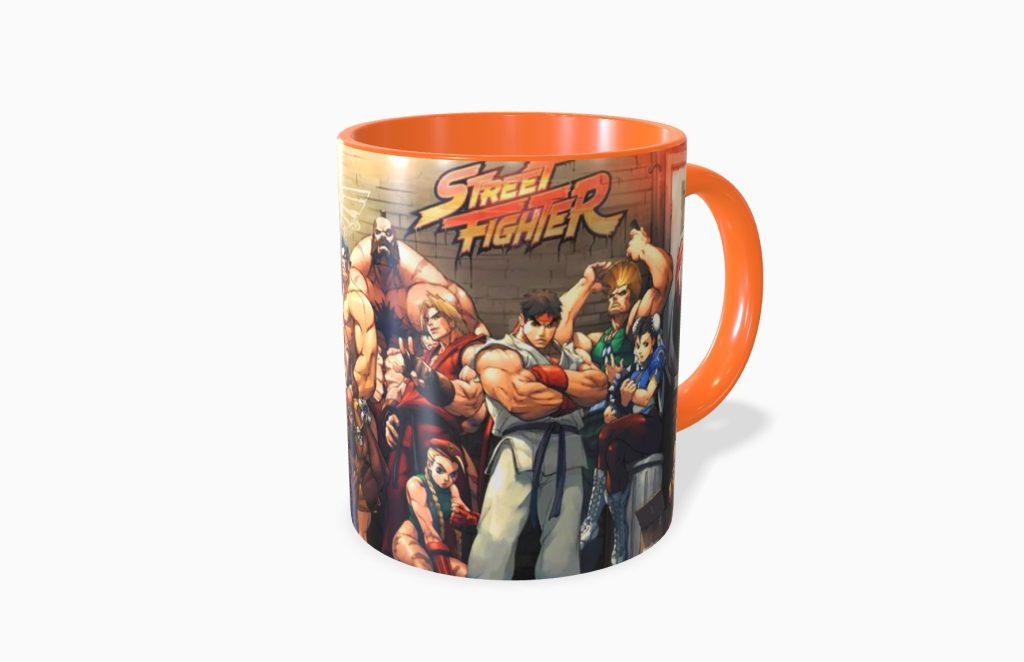
Think of it this way: it’s easier to convince someone to buy a mug with a fun design if they can see what it looks like, complete with shadows, lighting, and perspective, everything that helps create the illusion of reality.
Instead of showing just flat artwork on a white background, a mockup brings the idea into the real world.
The Power of Selling Before You Produce
For anyone in the customization business, mockups are a strategic tool.
With them, you can build an entire catalog of mugs without making a single one. This reduces costs, speeds up launches, and lets you test ideas with your audience before investing in production.
Want to launch a collection of themed mugs? Create the mockups and see which design gets the most engagement on social media. Received a quote request for corporate giveaways? Use mockups featuring the client’s logo to present a more professional, visual proposal.
Customization has become more accessible, but standing out comes down to presentation. And in that respect, a mockup is almost like a visual business card.
Rapid Mockup’s role in this landscape
It was in this environment that companies like Rapid Mockup emerged.
Instead of leaving creators and shop owners struggling with complex editing, our goal is to simplify the process and speed up the creation of high-quality mockups.
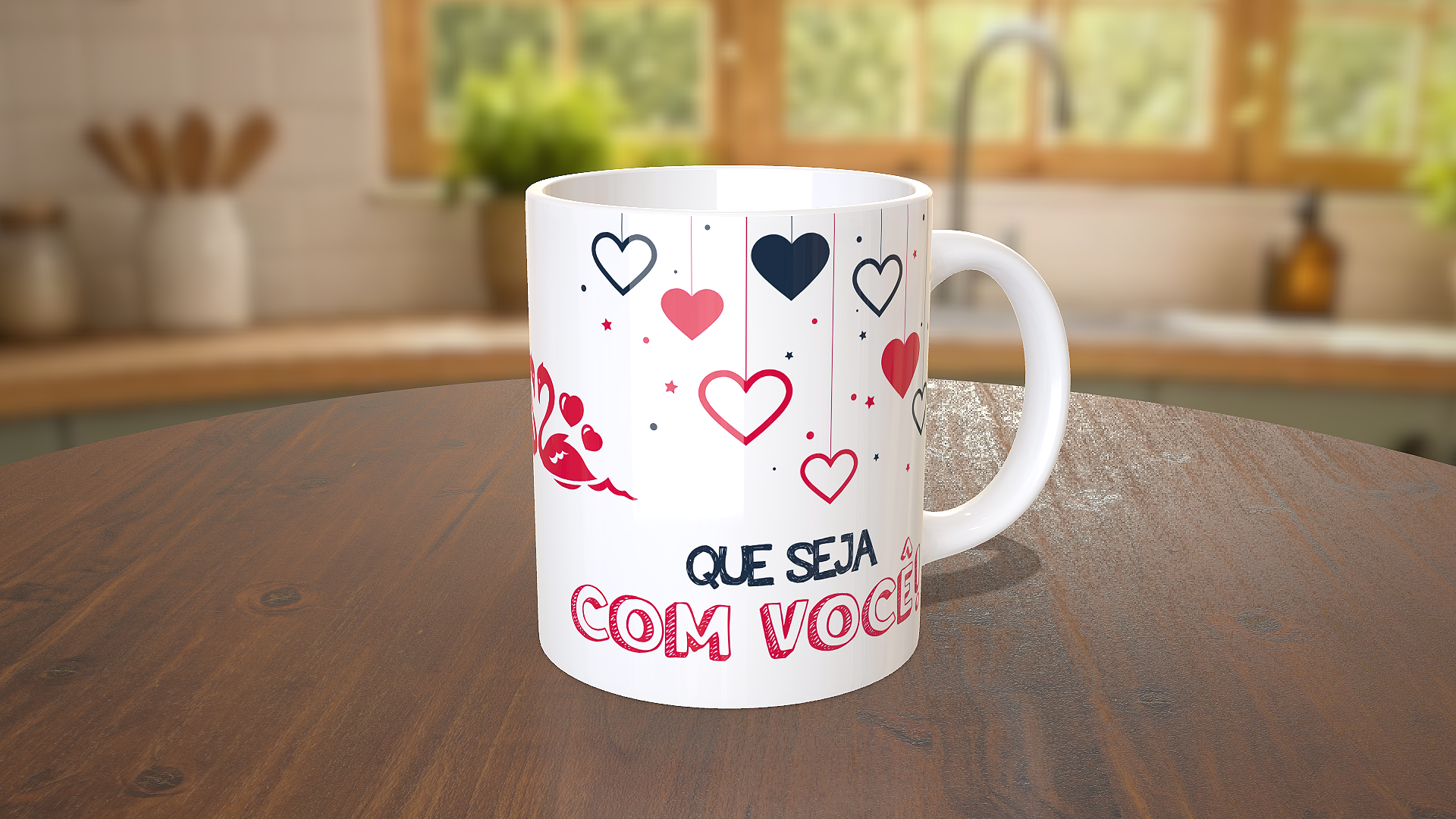
We offer ready-to-use, editable, visually stunning templates that save time and increase the perceived value of the finished product. It’s the kind of tool that takes an idea off the page (or out of design software) and puts it right in front of the customer.
In a market where speed and creativity go hand in hand, mockups are no longer a luxury. Today, they’re essential.
The value of a personalized mug
In a world where anything can be personalized, mugs stand out by combining simplicity, usefulness, and sentiment. But what turns an everyday object found in any kitchen into something so valuable?
The answer lies in the combination of meaning, exclusivity, and purpose.
For businesses, this represents a valuable opportunity. Giving away a personalized mug, for example, is about much more than handing someone an object. It’s about giving them something they’ll use, see, and remember often.
Plus, in the age of e-commerce and social media, mugs have become an ideal entry-level product for small businesses and creators. They’re easy to store and ship, offer plenty of room for customization, and have strong emotional appeal.
A mug can make a statement and sell itself, especially when it’s presented well, with the help of great mockups, of course.
The role of mugs in sustainability
The story of the mug has recently entered a new chapter: as an ally in the push for more sustainable habits. Reusable mugs are replacing disposable cups (especially plastic ones) in workplaces and everyday life.

After all, a simple gesture, like using your own mug at breakfast or during a break at work, can keep hundreds of cups out of the trash each year.
Companies with solid waste reduction programs already understand this.
Encouraging employees to use mugs, for example, isn’t just an environmentally responsible measure. It’s also a way to reinforce company values and boost employee engagement.
The mug already has strong symbolic value as a way to express yourself, and now it also represents a stance: choosing to consume more responsibly. Using a reusable mug has become synonymous with caring for the planet, others, and yourself.
At a time when every purchase can be a statement of values, the mug stands out as an example of how simple objects can carry powerful messages.

A mug is never just a mug
Who would have thought the history of the mug was so rich? Once shaped by hand by ancient peoples and carefully carved by Viking warriors, mugs now feature memes, declarations of love, brand slogans, and original artwork.
They’ve spanned centuries, crossed cultures, and adapted to every new technology without ever losing their original purpose: being there for the moments that matter. What’s changed over time is how we relate to them.
From kitchen staple to sentimental keepsake, the mug has found its place in our collective imagination. And with the growth of personalization, it has become an even more popular creative, versatile product, rich in symbolic value.
That value, by the way, comes not just from what’s printed on it, but from the story behind the design. The “why” is what makes the difference. It’s the laugh it brings, the memory it evokes, the care it conveys.
For entrepreneurs, it’s also a great opportunity to build meaningful connections, something that matters more and more in an age of information overload.
At the end of the day, the mug is just the beginning. What transforms it is the creativity of the person who imagines it, and the technology that helps bring it to life. The story of the mug is still being written, one sip at a time.