How Rapid Mockup Got Its Start
The story of how Rapid Mockup got its start, told by Tiago Rodrigues, its creator and developer

Once, a Rapid Mockup customer told me, while I was helping him on WhatsApp, that he hadn’t imagined we were a small Brazilian company. He thought we were a giant foreign corporation.
It was interesting to hear that, because I realized that people’s image of our high-tech 3D website often contrasts sharply with our humble beginnings in 2016.
As I write this post (November 2026), Rapid Mockup has been in business for ten years. And it all started with a small mug shop in a cramped bedroom.
I married my wife, Jéssica, in July 2015, when I was 21 (she was 19). I was unemployed, having been fired three months earlier from my job as a “programmer,” where I earned a little more than minimum wage.
“Programmer” in quotes because my official job title was assistant.
We lived in what had been my wife’s childhood bedroom at her parents’ house because the delivery of our apartment, which we had bought before it was built, was delayed, and we couldn’t afford to pay rent while also making our apartment payments.
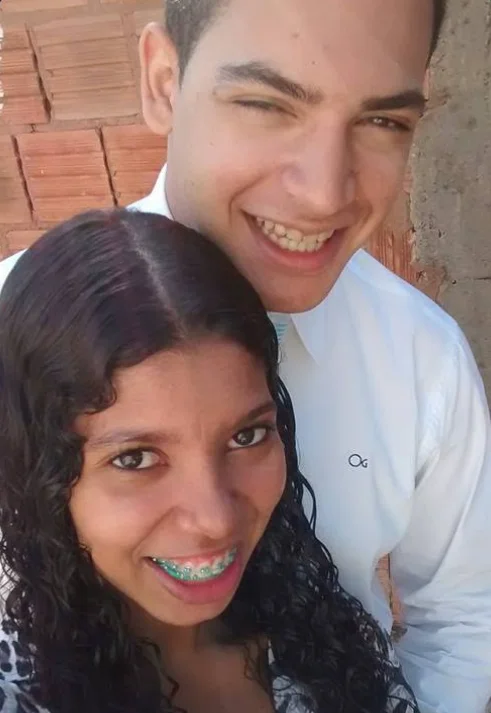
There, at a desk with a laptop, I started building apps and websites for clients. The income was modest, but enough to pay our bills.
Then, just a few months after we got married, my wife was fired too.
It was hard, but I have a lot of good memories from that time. We were newlyweds, full of dreams and strong in our faith in God.
Something would work out.
Necas
Some time later, my wife asked me:
Babe, I’ve been thinking about making custom mugs. What do you think?
She showed me a video from a store that sold the equipment.
I looked at her and thought to myself, worried: We have just over 400 reais in the bank. How can we start something? I don’t remember exactly, but I don’t think we even had enough to buy the heat press.
I decided to pray. Whatever God wills. I felt an incredible sense of peace and clarity in that moment.
It’ll work out. Let’s give it a try!
We saved up for a while until we could buy the heat press, the printer, and a box of mugs.
We called our little business Necas Lovers.
I remember, as if it were yesterday, the first time I smelled the resin. The first mug we made for my brother-in-law, which came out with the design printed backward.
The late nights we spent trying to figure out why the colors weren’t coming out right (I didn’t even know what a color profile was, hahaha). We tried to learn Inkscape (a free alternative to CorelDRAW) because we didn’t have the money to buy a license.
Soon, the mugs started selling, people we knew started placing orders, and before long, we were even making mugs for weddings and parties.
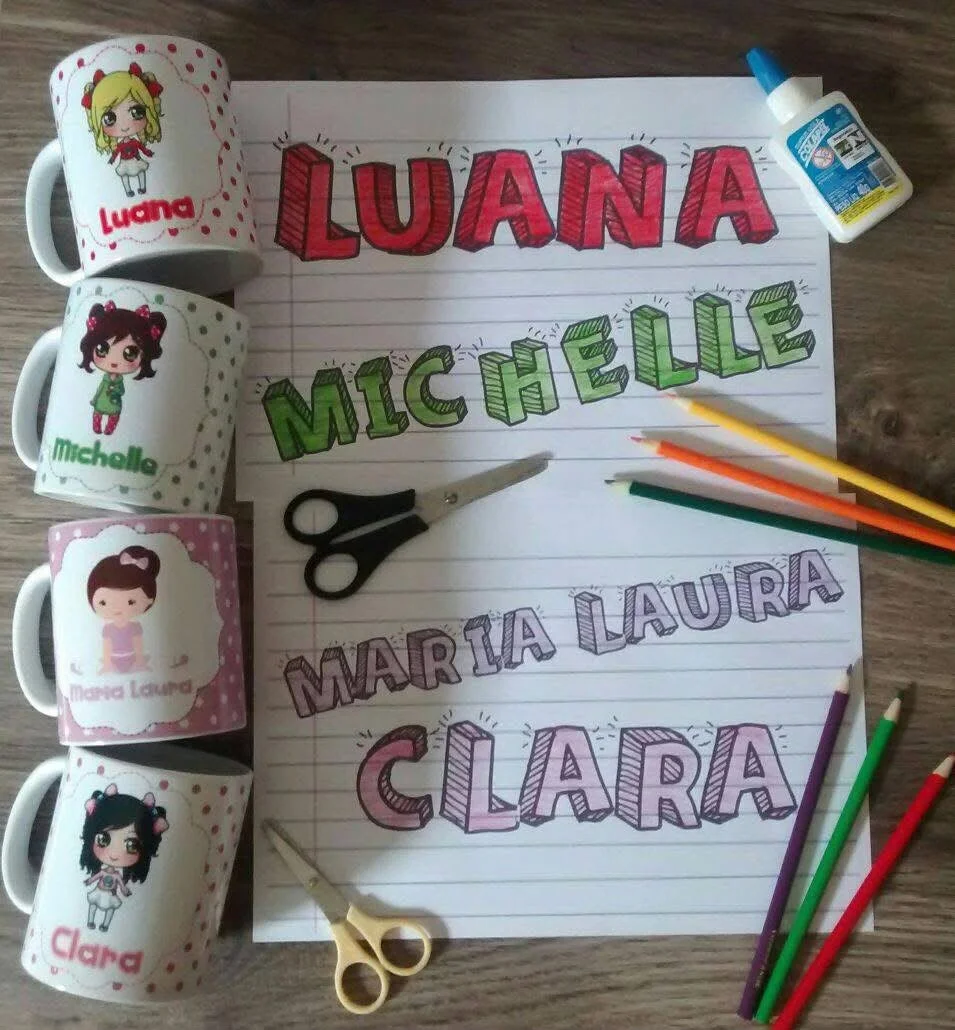
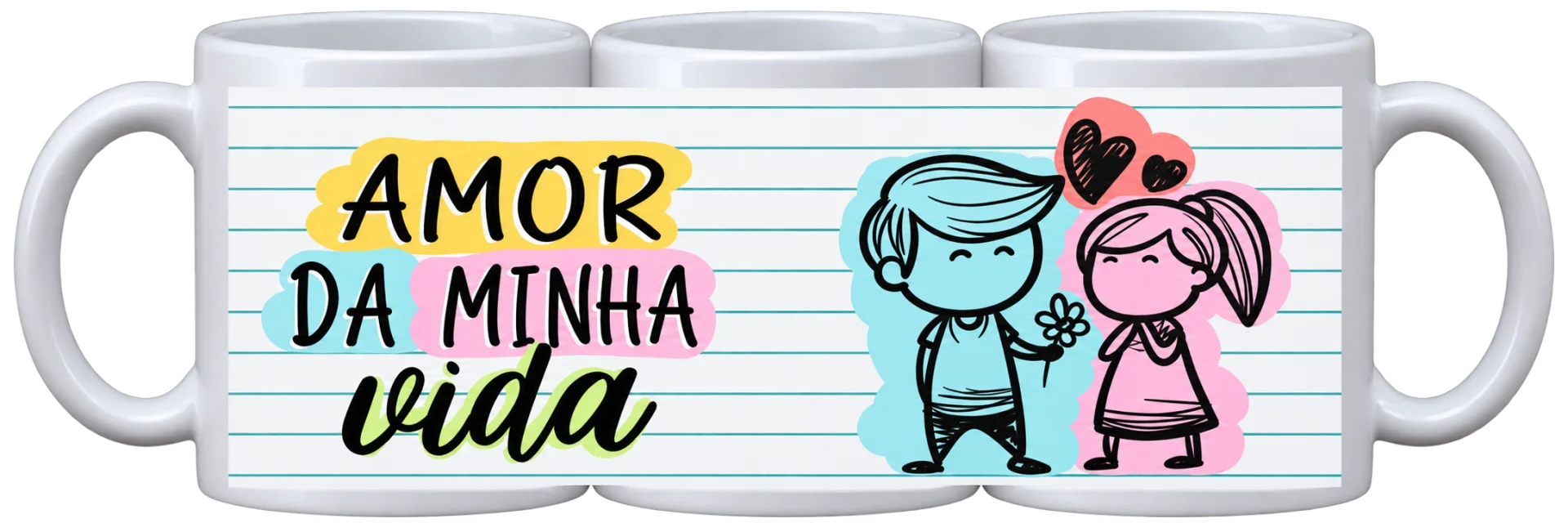
But something bothered me: we didn’t have an efficient way to show the mug to the customer. I remember that, back then, there were far fewer mockup options than there are today. We used a basic mockup that simply overlaid the artwork onto a photo of three mugs.
The best option was Photoshop, which was not only expensive but also slow and demanding on our somewhat outdated laptop.
The Right Place at the Right Time
To understand how this problem landed in my lap, let me tell you a little about my story.
I grew up on the outskirts of my city with my two sisters (I’m the oldest). We went through a lot of hardships and witnessed some frightening things on our street, but that’s not important right now. What matters is that our home stayed standing.
When I was 9, my mom started taking us to the library in a nearby neighborhood, about 2 km away.
We didn’t have a TV or a computer. We had books. I’m so grateful to God and my mom. That simple act protected us from the difficult world around us. Sitting on that worn-out couch, we traveled around the world, through history, and into fiction.
My first contact with computers was in my school’s computer classes (where, of course, I tried to finish typing up my assignments in Word as quickly as possible so I could play Dangerous Dave or visit the Miniclip website).

When I was eleven, I discovered the computer section of the library. I was hooked. I read everything I could find on the subject: processor architecture, early programming, games, and so on.
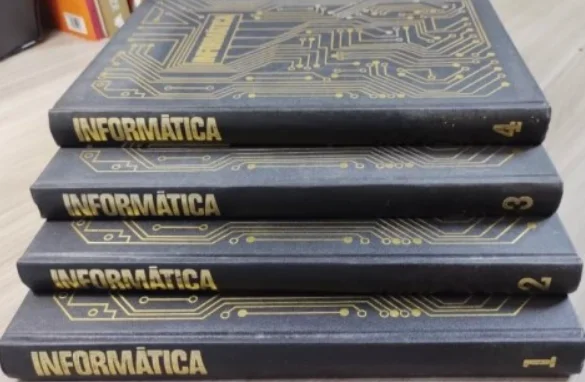
Then, when I was twelve, a friend from church got a new computer from his dad. He decided to give me his old one. The rest is history: late nights learning to program so I could make games and software.
As I got older, I started going with one of my sisters and a cousin to the public library. It was much farther away, but worth the trip: it had internet access (incredibly slow, but pretty much the norm at the time), so I could bring a floppy disk or CD-RW (anyone remember those?) and download programming tutorials. Things got easier when my dad managed to buy us a bike 😅
That was our routine every Wednesday after lunch: download programming tutorials and bring home a heavy bag full of books.
When I looked at my wife’s problem years later, I already knew how to solve it. I’d spent years programming applications and 3D games. She needed something that could show the mug from any angle and generate a video.
I knew exactly how to solve it.
Rapid...
I spent two weeks programming a prototype, researching, and testing. I was so excited I could barely sleep.
As soon as the first version was ready, my wife started sending out 360-degree video mockups, and customers were really impressed. It was something new and unfamiliar. One person even asked:
But is the mug already made?
That’s when I realized we had something big on our hands.
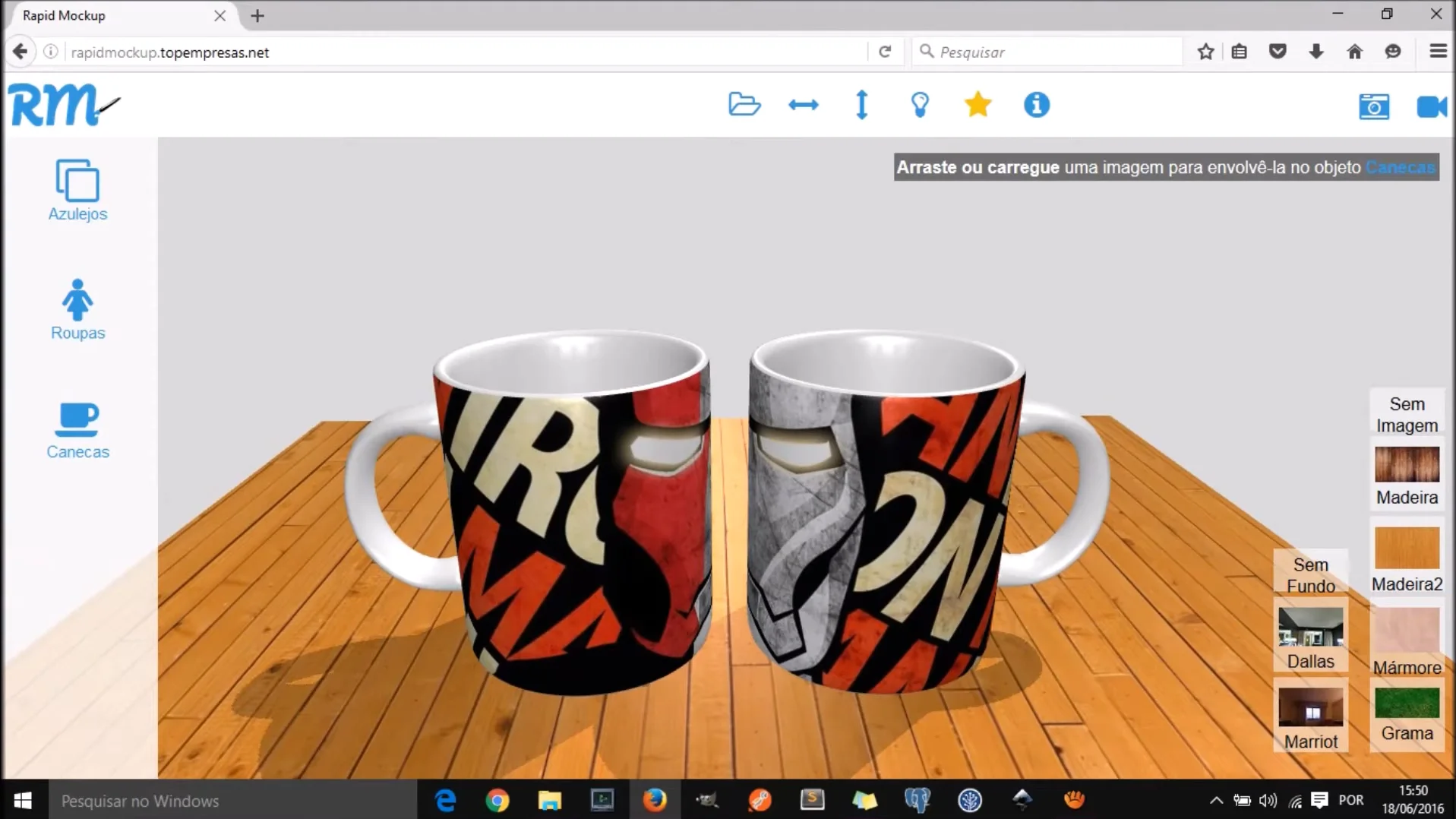
It was the first 3D mockup tool made in Brazil. Maybe one of the first in the world.
Made in a small bedroom that smelled of mug resin.
The product
About a month after creating the tool, we posted about it in a few Facebook groups. Groups were buzzing back then, and we got lots of comments from people interested in it.
I created a Pagseguro account and charged R$ 5,90 for the first version, which included just one mug, one tile, and one T-shirt mockup. We got 5 customers in the first week.
A funny and interesting fact is that Necas Lovers didn’t last long. We ended up closing it after a few months. It helped make Rapid Mockup possible.
Over the next few years, adoption grew slowly. I didn’t really know how to be an entrepreneur selling my own software. So I kept working as a programmer for several years, while my wife got a job at a music school.
In 2019, after we’d moved into our apartment (in 2016), I was extremely stressed. I was doing contract work for several companies and making decent money, but spending more and more on doctor’s appointments, getting sick easily, feeling anxious all the time, and developing bruxism, among other things. That routine was taking a serious toll on me.
Rapid Mockup hadn’t evolved much by then. I’d added a few more products and features, but the tool itself was stuck in the past. I was working so much that it had fallen by the wayside.
That’s when my wife said to me:
Why don’t you stop doing contract work for those companies and focus only on Rapid Mockup?
Rapid was bringing in less than one minimum wage’s worth of revenue at the time. I said to her:
Are you sure? Things are going to be hard for us.
Her answer is why you’re reading this post today:
Yes. If we have to, we can get by on rice and eggs. But you can’t keep getting this sick.
Growth
I decided to listen to her.
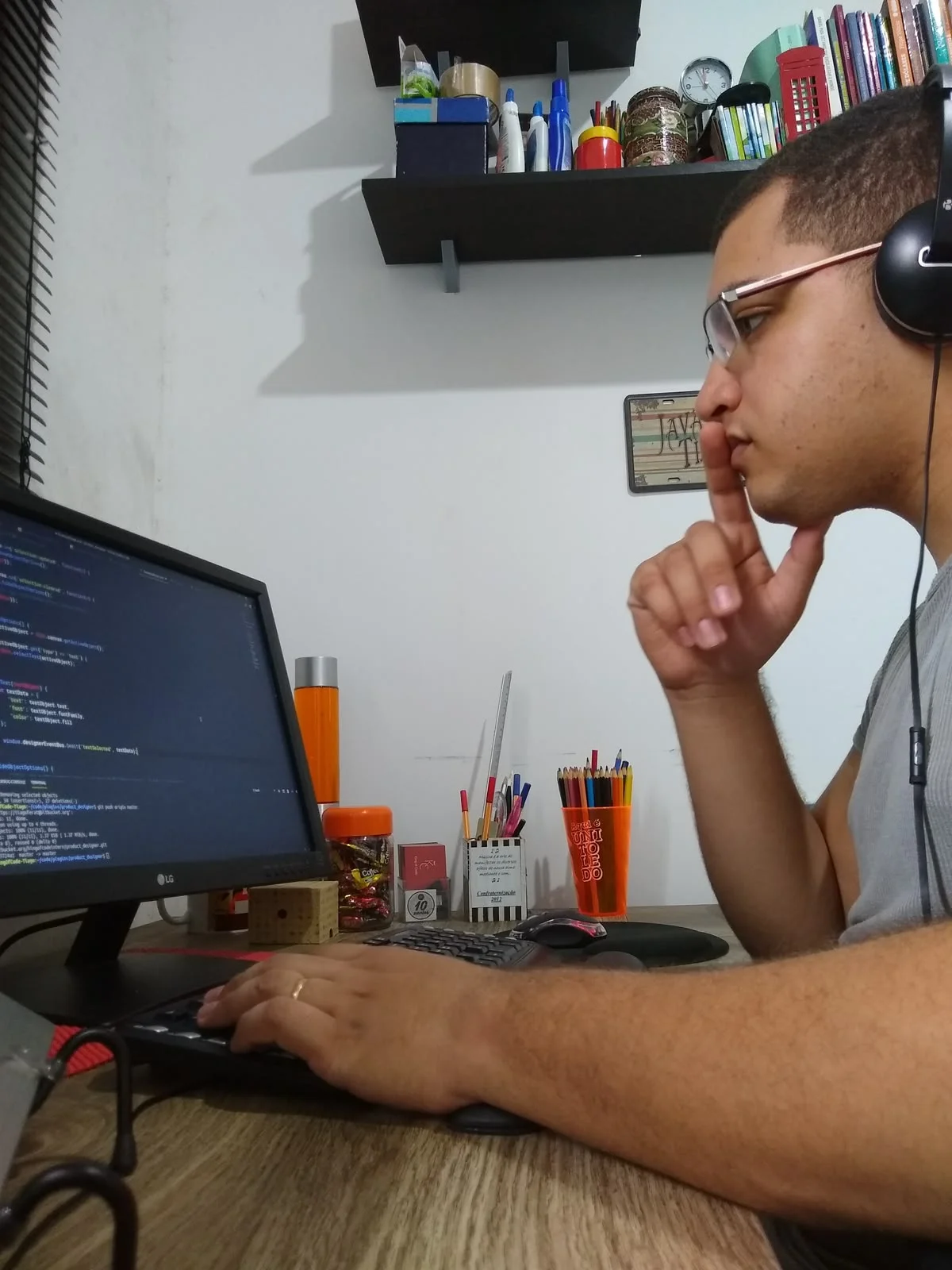
I put all my effort into developing version 2. I got up early and went to bed very late, sometimes in the middle of the night. I spent hours and hours programming, writing tens of thousands of lines of code. I set my laptop up on a tall desk so I could work standing, because sitting for too long was causing lower back problems.
The biggest new feature in version 2 was the ability to move the artwork around on the product. I had prototyped it back in 2017, but had never made it available to customers (did I mention I didn’t know how to be an entrepreneur? Actually, I still don’t. I’m learning).
It was worth it. With these improvements, Rapid Mockup started gaining traction organically. People began talking about it in groups, courses, forums, and more. Hugo Borges from Artes para Canecas, a great partner since the very beginning, helped spread the word so much. I can’t thank him enough.
Within a few months, sales were going well enough that I no longer had to worry about going back to the tremendous stress I’d experienced before. My wife took care of the behind-the-scenes work, issuing invoices, sending payment slips, and so on. I focused on programming and customer support.
In 2021, we moved out of the apartment, which had a serious water leak that was driving us crazy and causing health problems, especially for Jéssica. I think that if Rapid didn’t exist, we might still be living there. I can’t say for sure. What I do know is that what looks like just a website to some people changed our lives forever.
Even with the start of the COVID pandemic in 2020, we managed to stay afloat.
That doesn’t mean there’s no stress. But it’s different. I’m grateful to be doing something for professionals in the custom products industry and to have created a tool that has become a sales driver.
It’s indescribable to hear a customer say this:
I just tried it, sent the link to a customer, and she loved the experience. She said she’d never seen anything like it before! - @kanekadasbrindes
Knowing that something you created to help your wife now helps so many professionals and businesses across Brazil and around the world is priceless.
To this day, working alongside our team, suppliers, and partners, my greatest pleasure is sitting down at the computer, opening a code editor, and prototyping a technique that will improve a mockup. I love coding every detail of Rapid. And I love talking to customers, listening to their problems, and trying to solve them the best way I know how: by programming.
When you look at a mockup and think it’s amazing, you can be sure I’ve spent hours and hours here with the team adjusting parameters so you can add a design in 30 seconds, impress your customer, and close another sale.
And the future?
The future of Rapid Mockup is just getting started.
We recently launched version 3, after nearly three years of work and hundreds of thousands of lines of code.
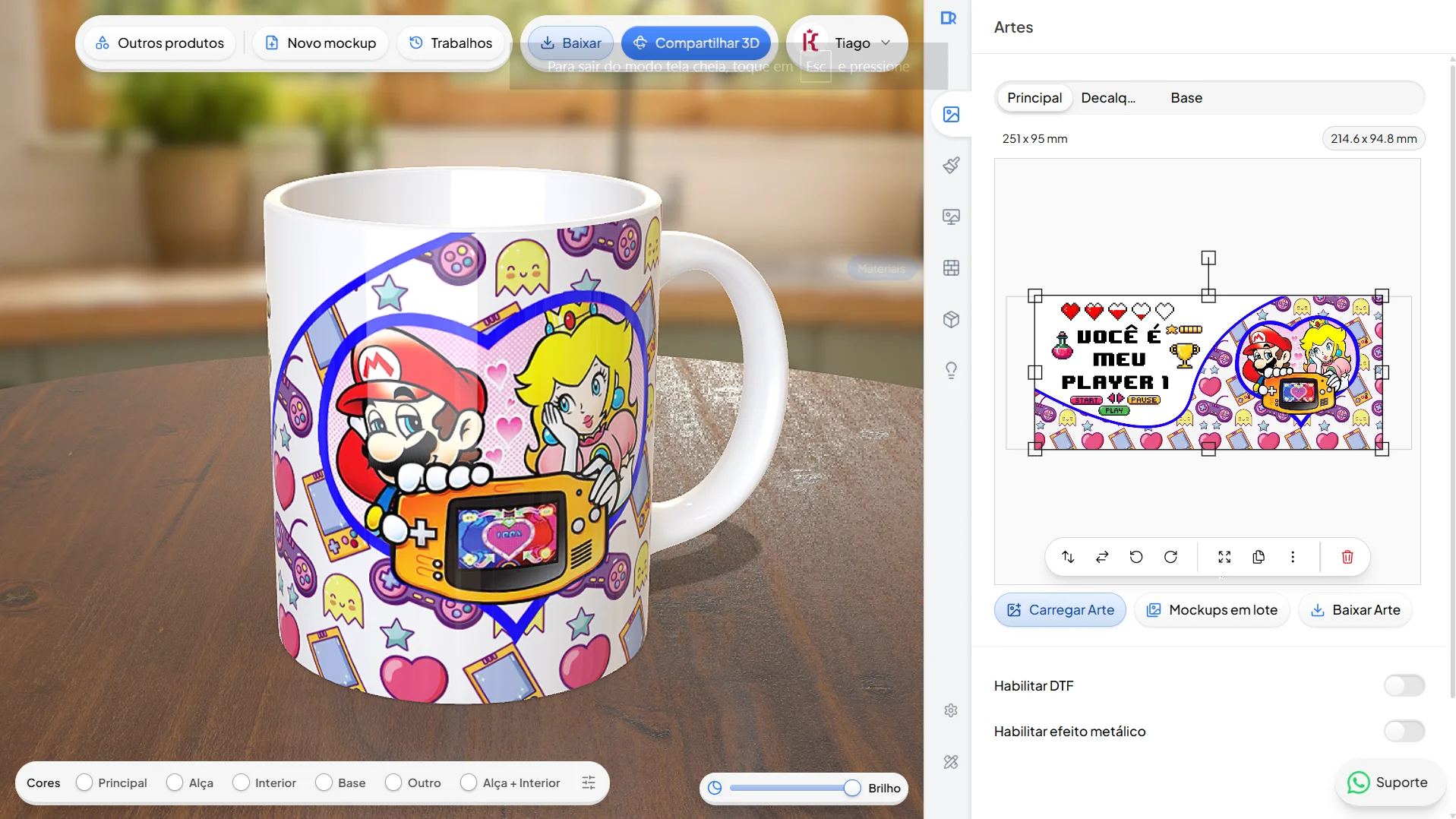
The new version was built to be everything we dreamed of back at the very beginning:
- Realistic: mockups now look beautiful, even on less powerful devices.
- Focused on what sets us apart: after talking with many customers and giving it a lot of thought, I realized that 3D is what sets us apart most. That’s why version 3 offers seamless 3D sharing. Here’s what a customer who’s been with us for more than six years recently said:
I win over every customer by presenting the product in 3D - @sublimatec.personaliza
- Animated mockups: we now have animated mockups for t-shirts, boxes, brochures, and more
- Tools that help you sell: virtual catalogs, Canva integration, and more
And very soon, we’ll have the long-awaited e-commerce integration (online stores, websites, catalogs, and more).
The idea now is for Rapid to offer tools that help you close more orders at every stage of the sales process, from the initial concept (mockup) to closing the sale (customization in your online store).
Stay tuned for updates, and keep an eye on your inbox.
Conclusion
If you made it this far, thank you so much.
I hope you enjoyed learning about everything that happened along the way. We faced many difficulties. We had losses, moments when we thought it wouldn’t work out, and even came close to bankruptcy. But we’re still here, with a better product than ever.
I’d like to take this opportunity to thank all the customers, partners, and service providers who contributed, in one way or another, to making Rapid Mockup a giant.
Best wishes, and see you in the next story here on the blog!
Appendix: Fun or Interesting Facts
- At first, we walked to the city library, but we loved walking and talking under that hot sun (especially when we had coins to buy a little packet of guaraná. Does anyone remember that?).
- My wife designed Rapid Mockup’s first logo in Inkscape
- It took me a long time to really focus on Rapid Mockup because I’m the kind of person who has three new ideas a minute. Learning to focus on the product and the company was a slow, steady process.
- I chose blue because I thought it suited companies, business, etc. But at first, I wanted Rapid Mockup to be orange or yellow
- Sometimes I spend an entire day adjusting the lighting on mockups to make them look more realistic.
- I have a hard time with photos, recordings, etc., so I rarely appear in videos on our social media, but I’m trying to get better at it, starting with this post
References
- Man, I read so much of this computer encyclopedia! anosdourados.blog.br